Zapier Transfer
A 6-month sprint to launch a new product line addressing a critical gap in Zapier's platform — enabling users to move historical data between apps
Role
Product Designer
Industry
B2B / Startup
Duration
1 year
Problem / Opportunity
Zapier's core automation product only processed new data after a Zap was activated, leaving users with no way to move pre-existing or historical records between apps. Support ticket analysis and user interviews revealed this was a recurring pain point — especially for app migrations, backfilling data, and recovering from automation errors. Leadership saw an opportunity to address this gap while launching Zapier's first standalone product, with a high-profile debut at ZapConnect in 6 months.
My Role
Lead Product Designer owning discovery research, journey mapping, design strategy, and cross-functional collaboration.
Research
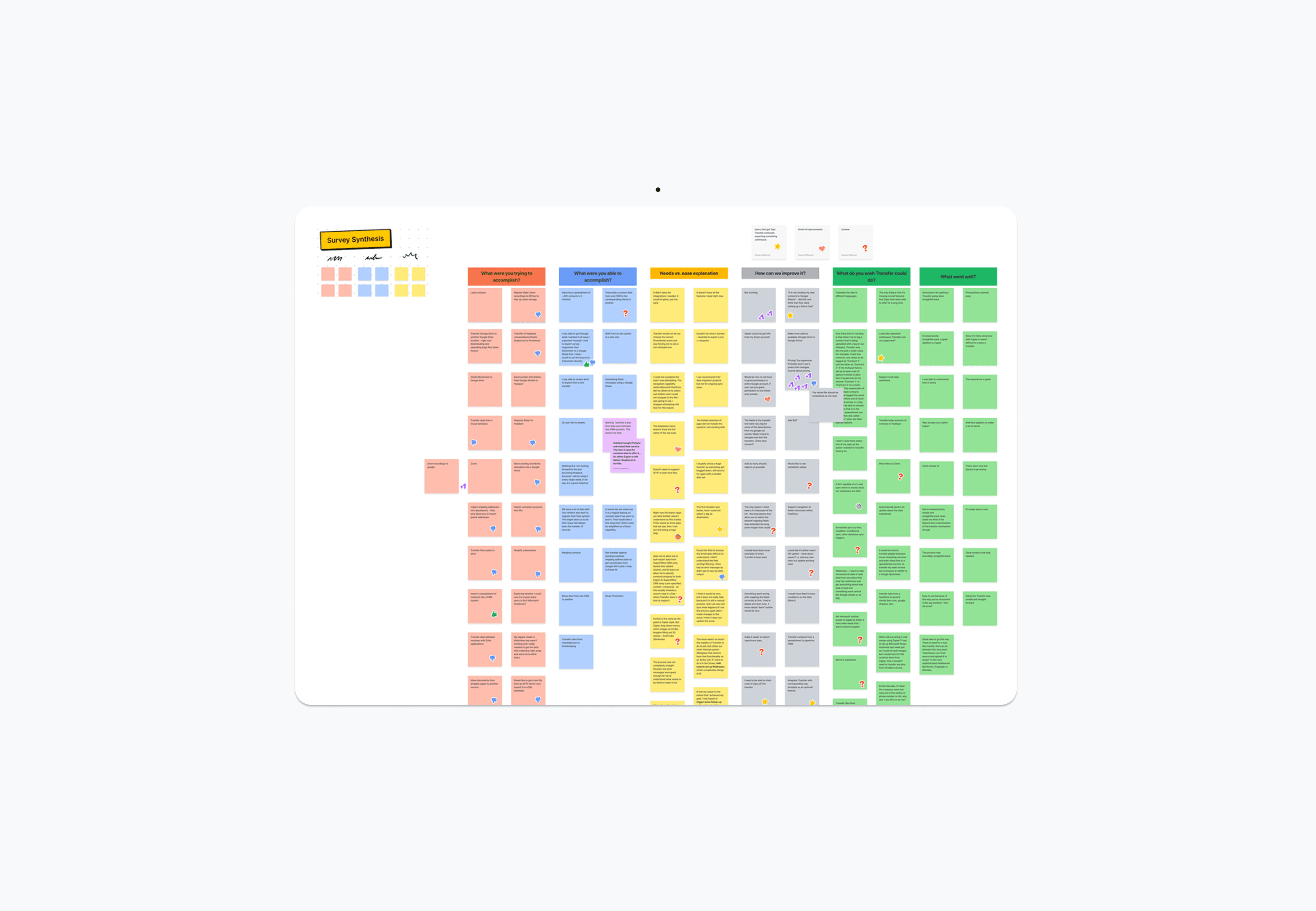
Support analysis: Partnered with support team to identify recurring requests around historical data movement
User interviews: Explored migration, backfilling, and error recovery scenarios
Journey mapping: Mapped flows for existing Zapier users and new users entering through Transfer
Competitive analysis: Benchmarked data migration tools to identify differentiation opportunities
Key insight: Users needed flexibility across three use cases — app migration, backfilling, and error recovery — in an experience approachable for non-technical users
Design
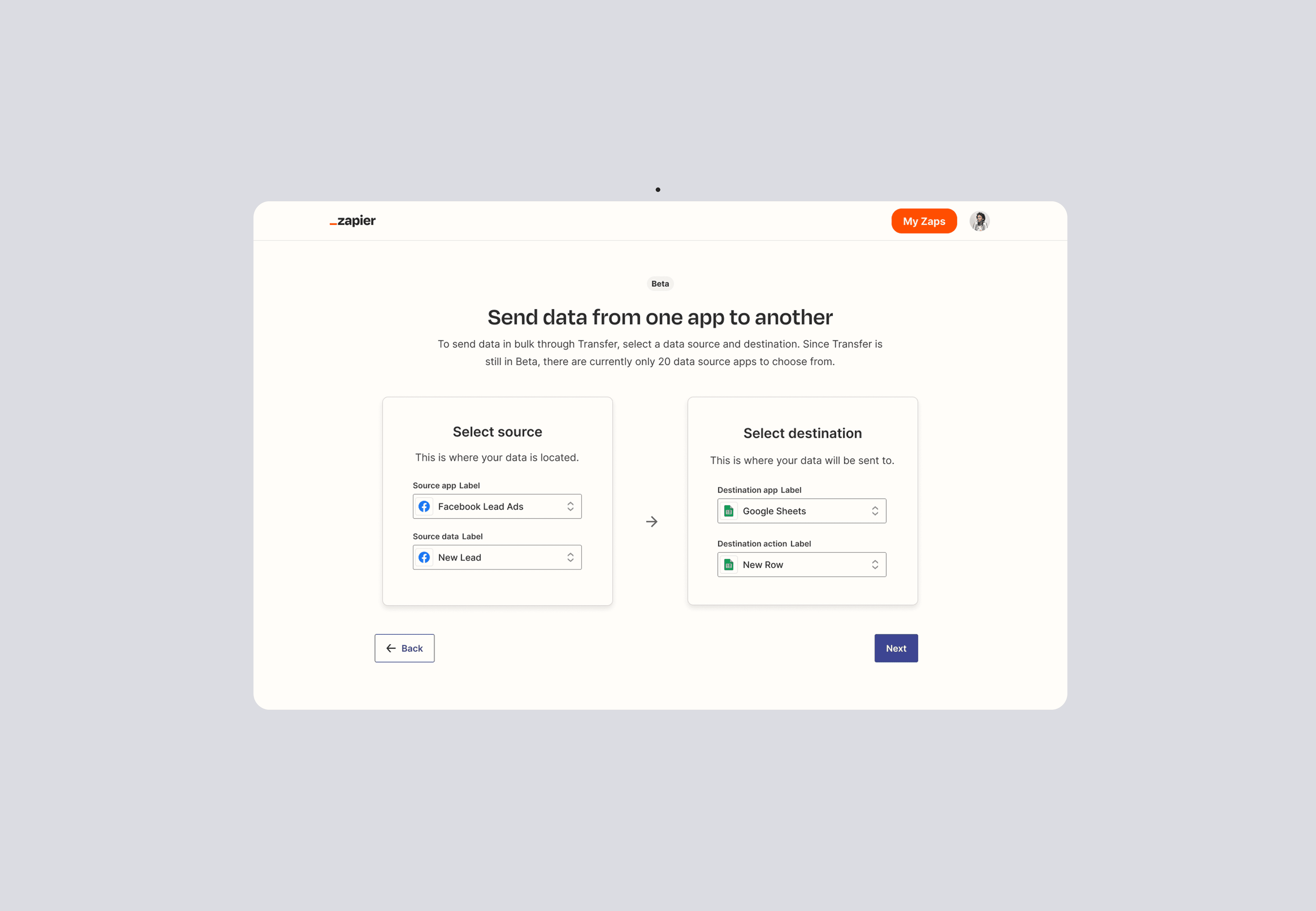
Entry points: Designed modal within Zap setup flow for seamless transition into Transfer
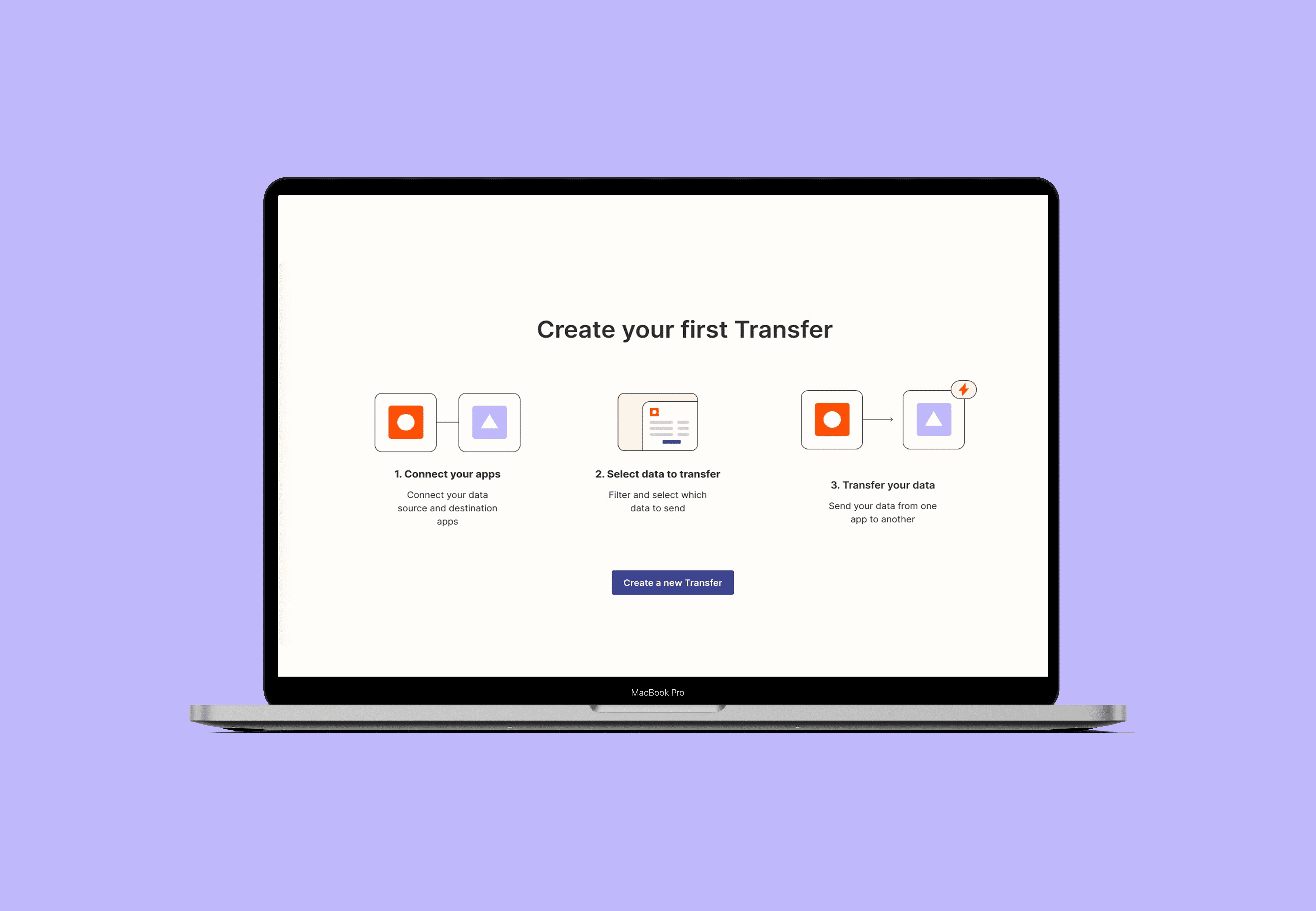
Information architecture: Replaced single-screen accordion with step-by-step pages and side navigation to reduce complexity
UI exploration: Tested three source/destination selection patterns; chose scalable approach minimizing clicks
Filtering: Evaluated modal, sidebar, and accordion; selected accordion using existing components for faster build
Engineering collaboration: Led workshops to map technical constraints and identify flexibility for UX improvements
Solution
A standalone product enabling bulk transfers between apps — with progressive setup, clear navigation, and seamless entry points for existing users. Designed for flexibility to evolve post-launch.
Impact
Launched on time as Beta at ZapConnect (6-month timeline)
1.5M+ tasks transferred weekly
3,500+ weekly active users
$3M ARR contribution
40% reduction in related support tickets
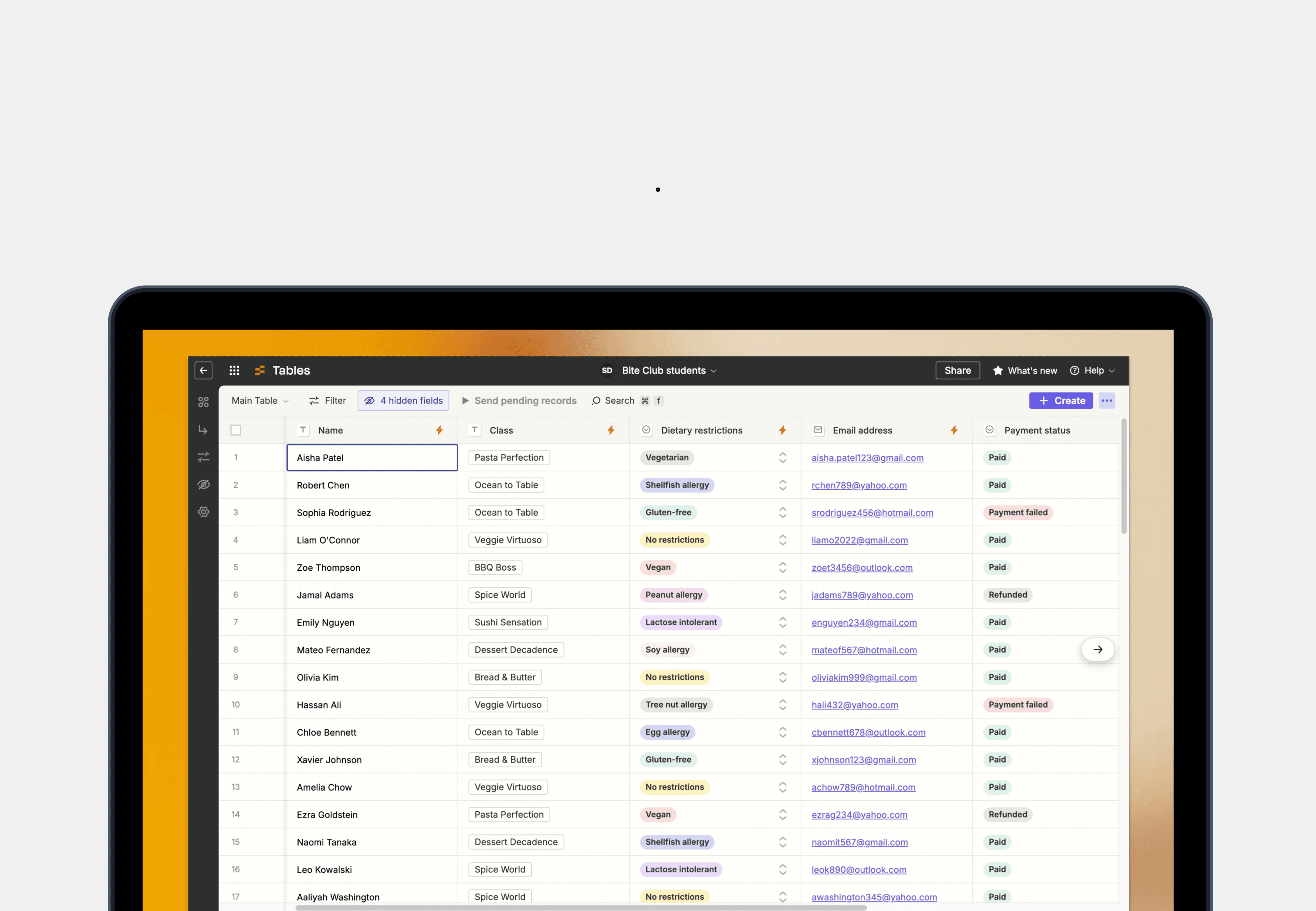
Strategic influence: Insights directly informed Zapier Tables development